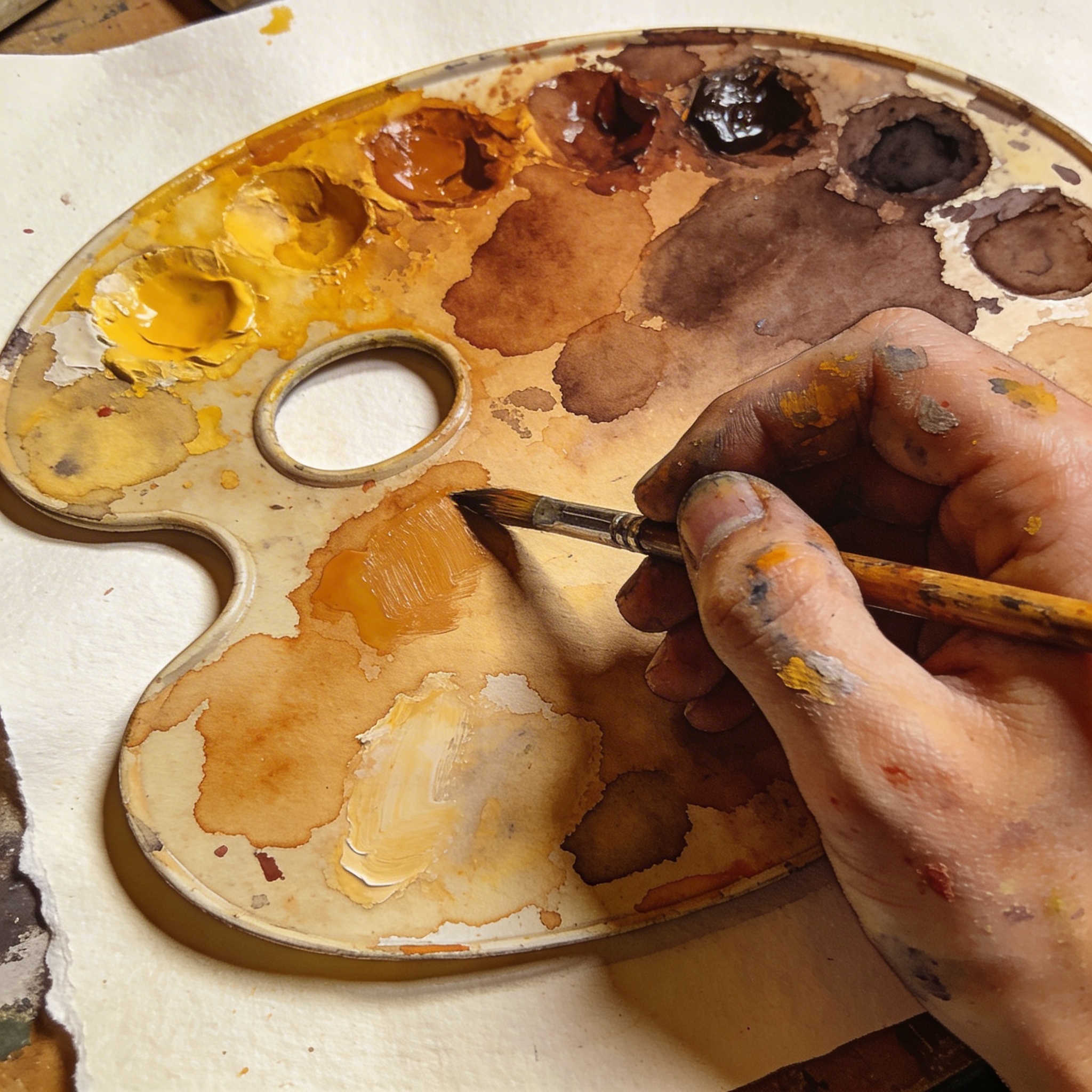
Every piece starts by hand. That is not a process. It is a belief.
In a world that automates everything, we choose to begin with a paintbrush. Not because it is efficient. Because it is honest.
In a world that automates everything, we choose to begin with a paintbrush. Not because it is efficient. Because it is honest.
There is a difference between something that was made and something that was generated. You can feel it. A hand-painted stroke carries the weight of a decision — the artist chose that colour, that pressure, that angle. A machine does not choose. It executes.
At Kolorkaari, every piece begins with a human hand holding a brush, a knife, a pen. Not because we reject technology — we use printers, we use digital tools — but because the origin matters. The first mark must be human. Everything after that is amplification.
This is not nostalgia. It is conviction. Handmade work has a quality that cannot be replicated — imperfection, warmth, the trace of the person who made it. We believe that matters, and we build everything around protecting it.
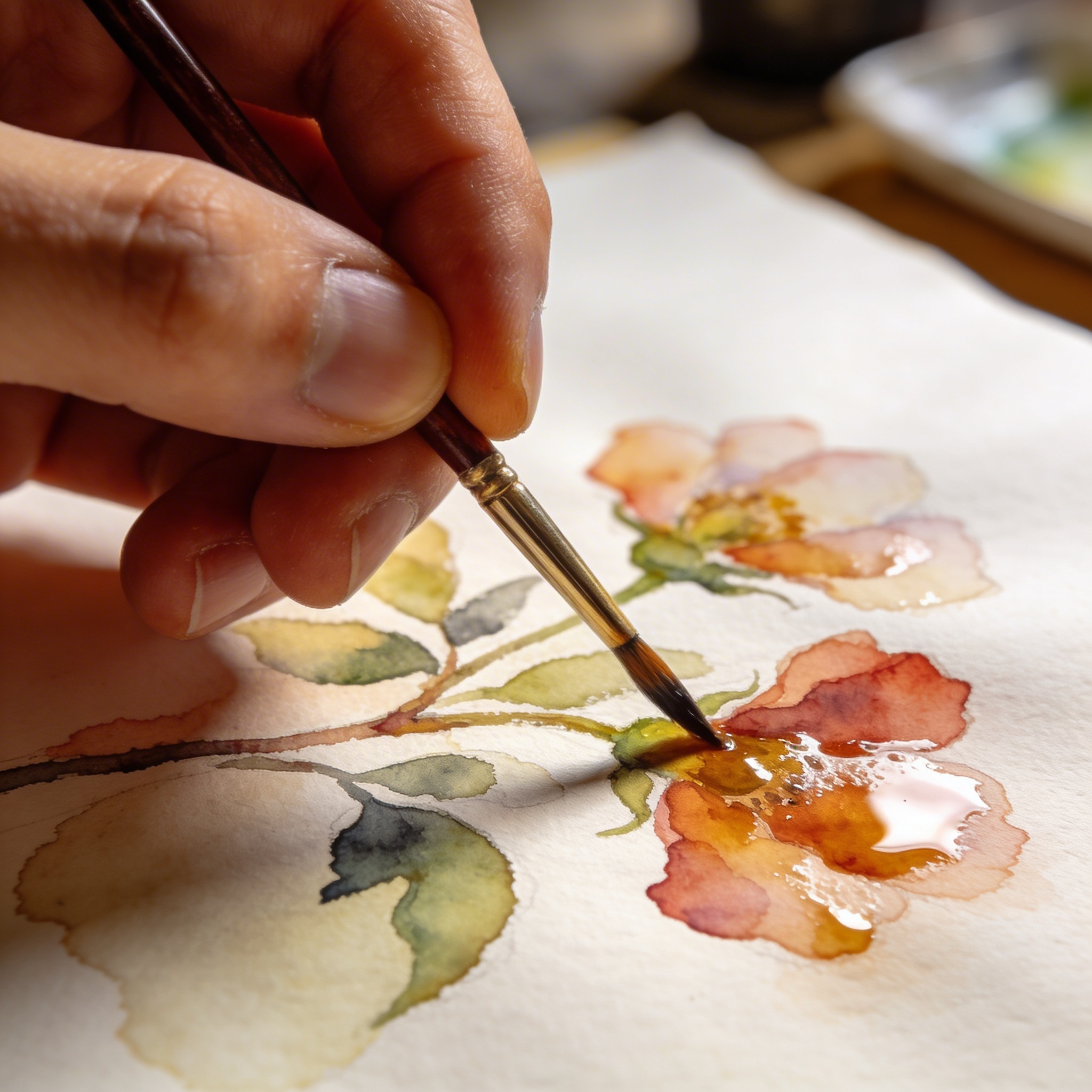
The art world is difficult for independent artists. Steady work is rare. Recognition is slow. Most talented painters struggle not because they lack skill, but because there is no system that values their work consistently.
Kolorkaari exists, in part, to be that system. We work with six independent artists — each with their own style, their own voice. We give them steady projects, creative freedom, and the dignity of being valued for what they do. They are not employees executing instructions. They are artists creating work that matters.
When someone commissions a mural or buys a painting, they are not just acquiring an object. They are supporting a person — their practice, their livelihood, their ability to keep creating. This is the economy we are trying to build: one where artists can sustain themselves through their craft.
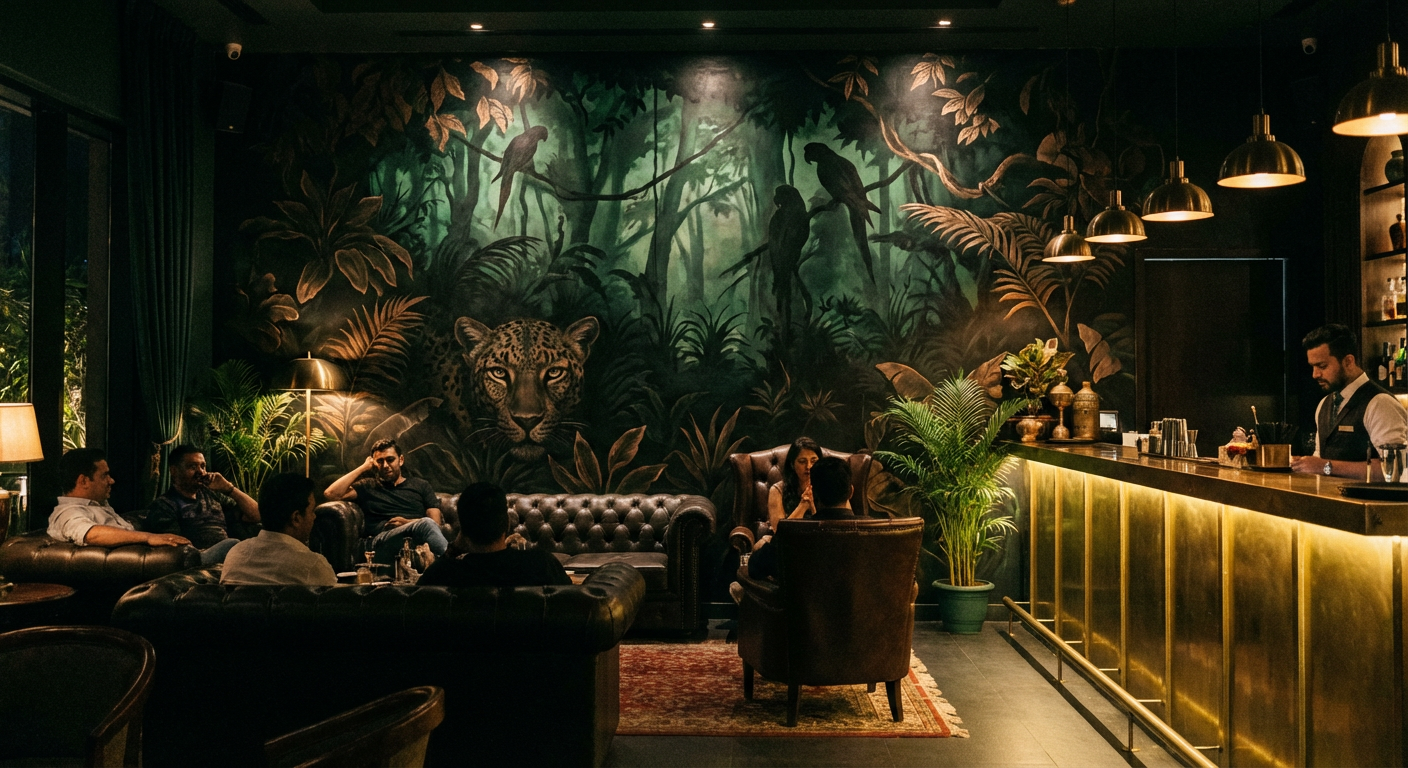
When a cafe owner hangs a painting or commissions a mural, they are not filling a blank wall. They are deciding what their space feels like, what it says, who it attracts. A wall mural is not a backdrop — it is the personality of the room.
We approach every project with this understanding. A tropical mural in a cafe creates one atmosphere. A Mughal miniature in a fine dining restaurant creates another. A mandala in a lounge creates stillness. The art chooses the mood, and the mood defines the experience.
This is why we insist on understanding the space before we paint. The relationship between artist and space is not decorative — it is collaborative. The wall has a voice. The artist listens to it.
"A mural does not decorate a wall. It transforms the space around it. When the art is right, the room becomes a place people want to be."Kolorkaari Studio
Mixing pigments to find the exact shade. Stretching a canvas until it is taut and ready. Loading a palette knife with paint and building texture, layer by heavy layer. These are not steps to be optimised — they are the work itself. The process is where the art lives.
We believe in showing this work. Not as marketing, but as respect — for the time it takes, the skill it demands, and the artists who do it every day.
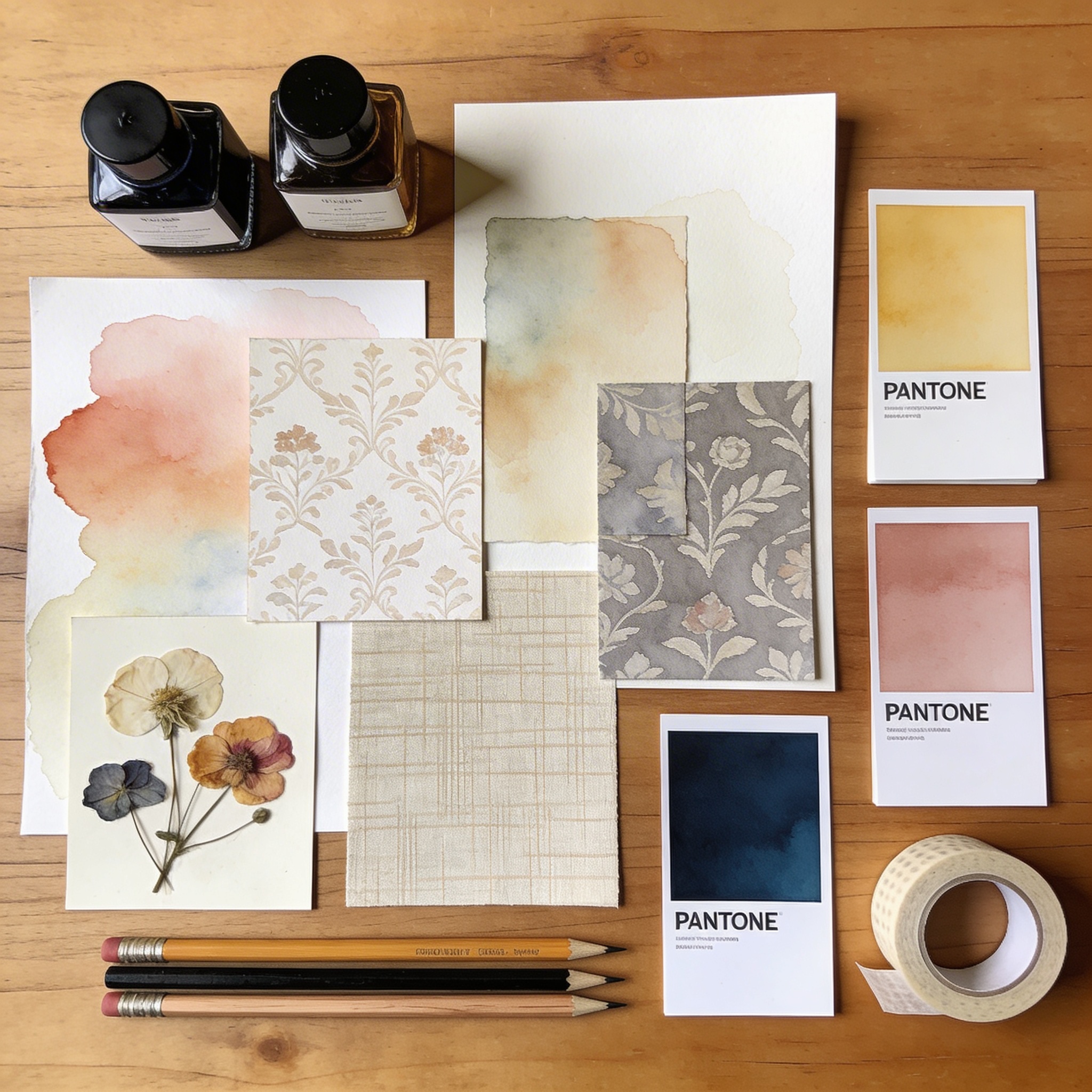
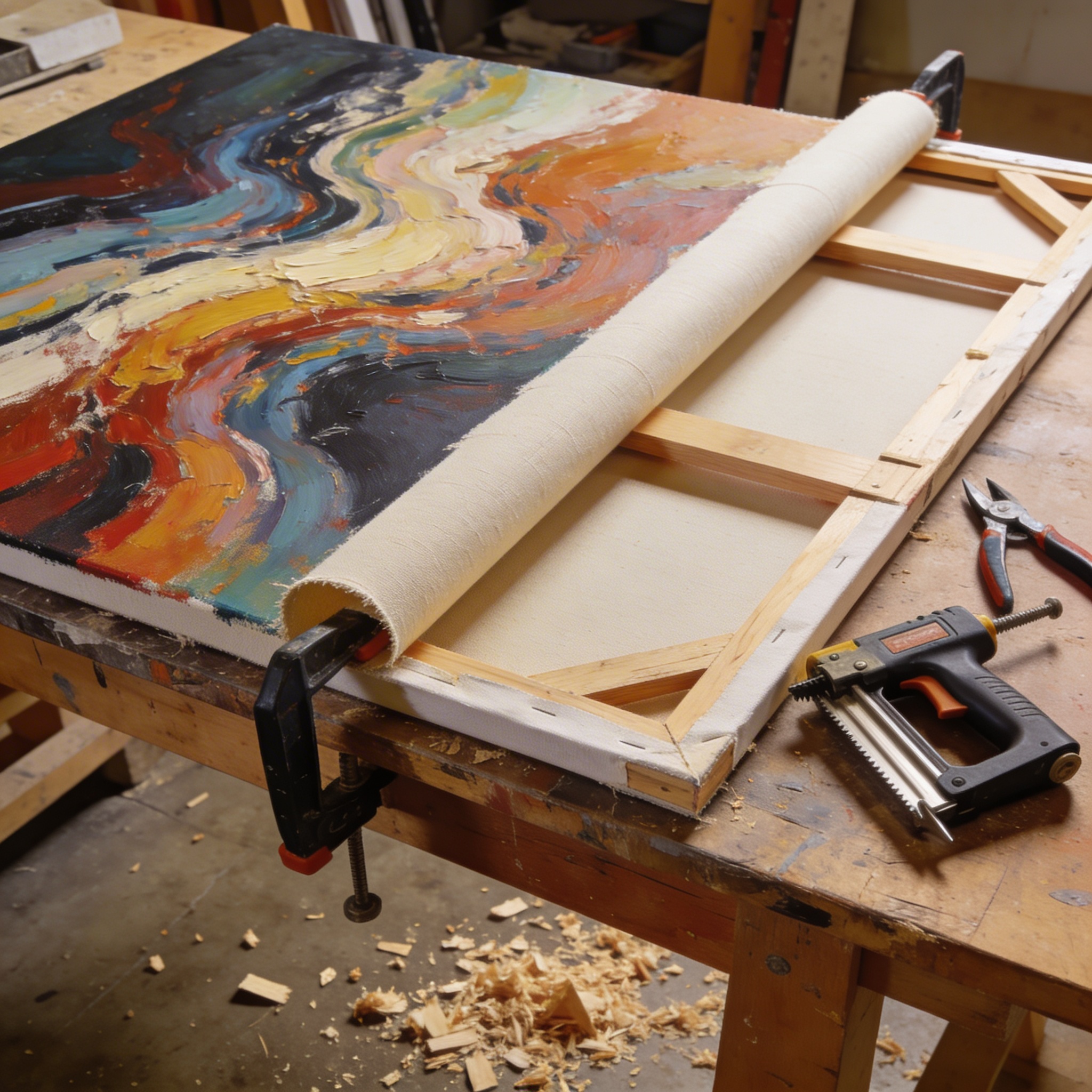
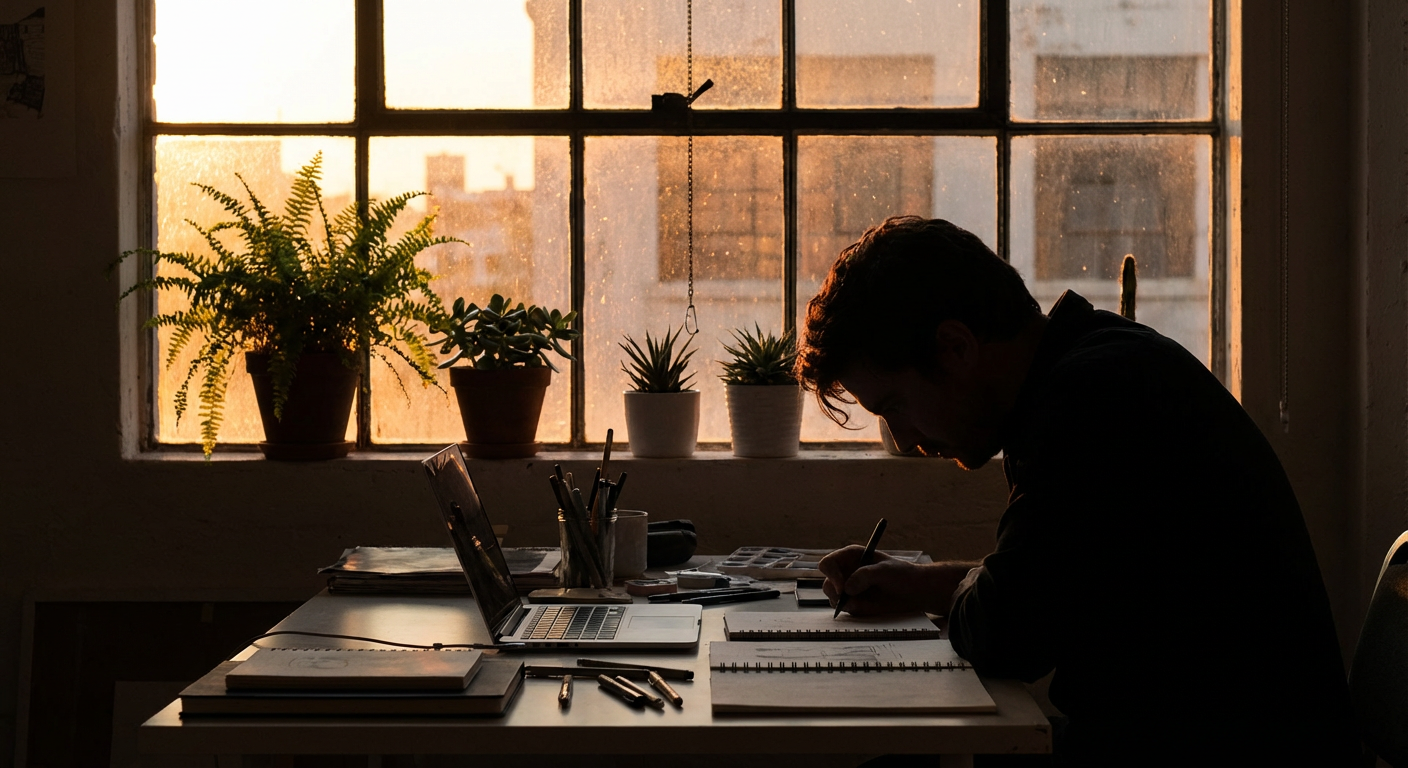
In 2018, I painted my first canvas on a table in my room. It was a palette knife piece — ochre, sienna, thick strokes. I did not know it would become a studio. I just wanted to make something worth looking at.
Over the years, the studio grew. More artists joined. The work expanded — from canvas paintings to wall murals, from individual pieces to full collections. We shipped art to 62 countries. We painted walls in restaurants and lounges across India. But the core never changed.
I still believe that handmade work matters. I still believe that independent artists deserve steady, meaningful projects. I still believe that a hand-painted mural transforms a space in a way that nothing else can.
Kolorkaari is not a company trying to scale. It is a studio trying to sustain something — the practice of making things by hand, and the artists who do it. If that resonates with you, we would love to hear from you.